
It also creates a more professional perimeter, which helps reassure clients, neighbours, and inspectors that the project is being managed properly.
What is scaffold mesh and what does it do?
Scaffold mesh is a protective sheeting fixed to scaffolding to control debris, dust, and wind exposure while improving privacy and safety. It acts as a physical barrier that helps prevent small items from falling and reduces the impact of weather on exposed work areas.
On many sites, scaffold mesh also doubles as a communication surface for signage, branding, and access guidance.
How can scaffold mesh reduce accidents and falling-object risks?
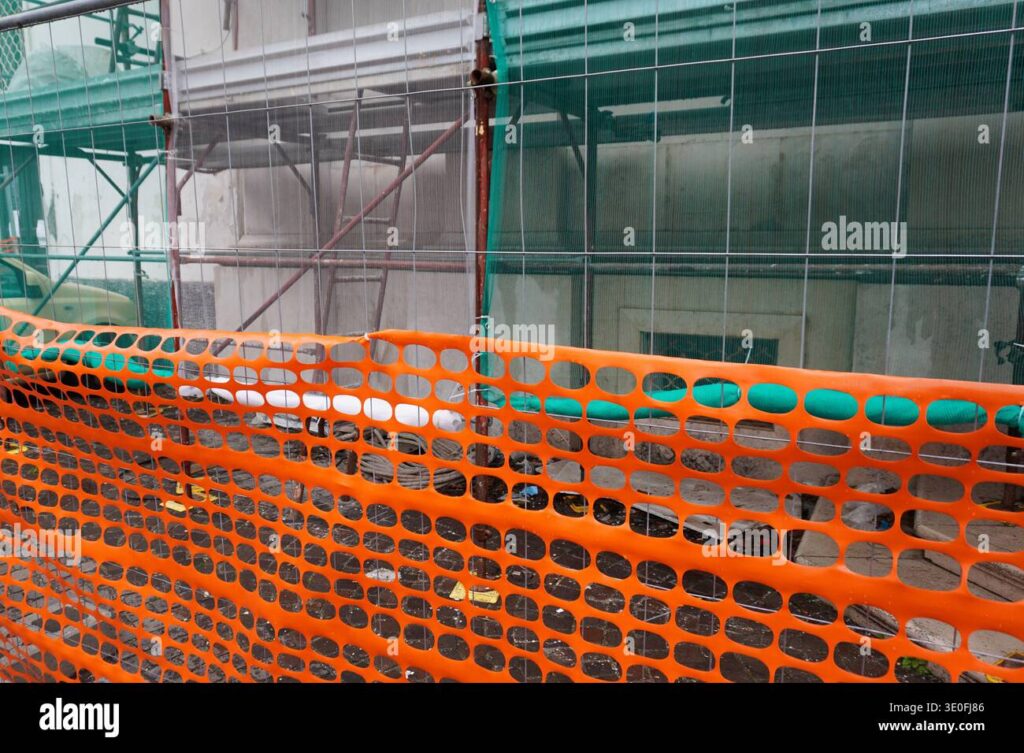
Scaffold mesh reduces risk by containing loose materials and limiting how far debris can travel if it drops or dislodges. That extra layer matters in high-traffic areas, especially around pedestrians, loading bays, and site entrances.
When scaffold mesh is correctly tensioned and securely fastened, it supports wider controls like toe boards and debris netting by adding another line of defence.
How does scaffold mesh help with dust, weather, and neighbour complaints?
Scaffold mesh helps limit dust drift and makes messy tasks less disruptive to people nearby. It also moderates wind exposure around working platforms, which can improve comfort and reduce the chance of lightweight materials being blown away.
For urban projects, scaffold mesh can be the difference between constant complaints and a calmer relationship with neighbours, particularly during demolition, cutting, or façade work.
How can scaffold mesh improve site communication and wayfinding?
Scaffold mesh makes it easier to control what people see and where they go. Clear signage fixed to scaffold mesh can direct deliveries, indicate exclusion zones, and highlight emergency routes without relying on temporary boards that get moved or damaged.
Because scaffold mesh runs continuously along elevations, it can carry repeated messages so workers and visitors see instructions from multiple angles.
What should teams look for when choosing scaffold mesh?
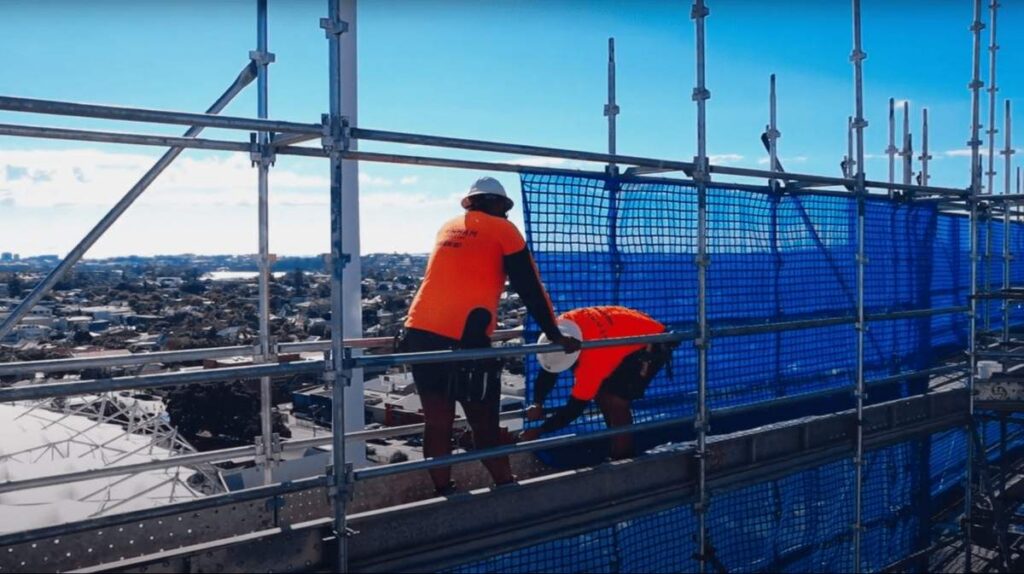
They should choose scaffold mesh based on the job’s exposure, height, and required containment level. Key considerations include mesh density, flame-retardant properties, UV resistance, and tear strength, especially for long programmes or harsh weather.
They should also check whether scaffold mesh meets any relevant project requirements, insurer expectations, or site rules before ordering.
How should scaffold mesh be installed to avoid common failures?
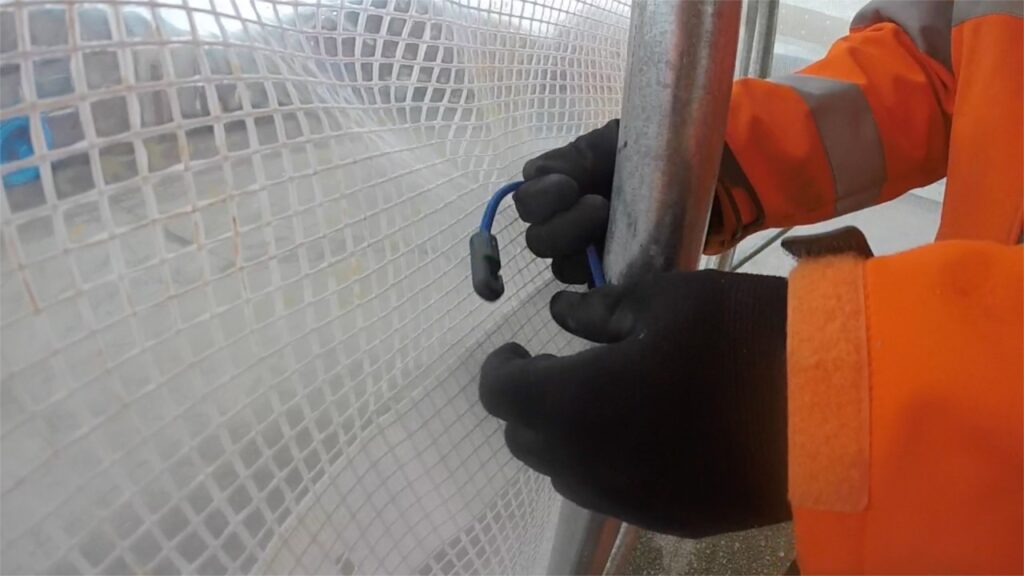
They should install scaffold mesh with consistent fixing points, correct overlap, and proper tension to prevent flapping and tearing. Loose edges and rushed ties are common causes of failure, especially on windy elevations and corners. For more information on safe scaffold mesh installation, visit: https://www.safeworkaustralia.gov.au/system/files/documents/1703/scaffolds-scaffolding-work-general-guide.pdf
Regular checks matter too. Scaffold mesh can degrade over time, and small tears can spread quickly if they are not repaired promptly.
How can scaffold mesh support compliance and safer site culture?
Scaffold mesh supports safer behaviour by making boundaries obvious and hazards harder to ignore. When a site looks controlled, teams are more likely to follow access routes, respect exclusion zones, and keep platforms tidy. Click here for scaffold shade cloth safety solutions implementation guide and site safety standards.
Used alongside training and inspections, scaffold mesh reinforces the idea that safety controls are deliberate, maintained, and part of everyday work.
How can construction teams get the most value from scaffold mesh?
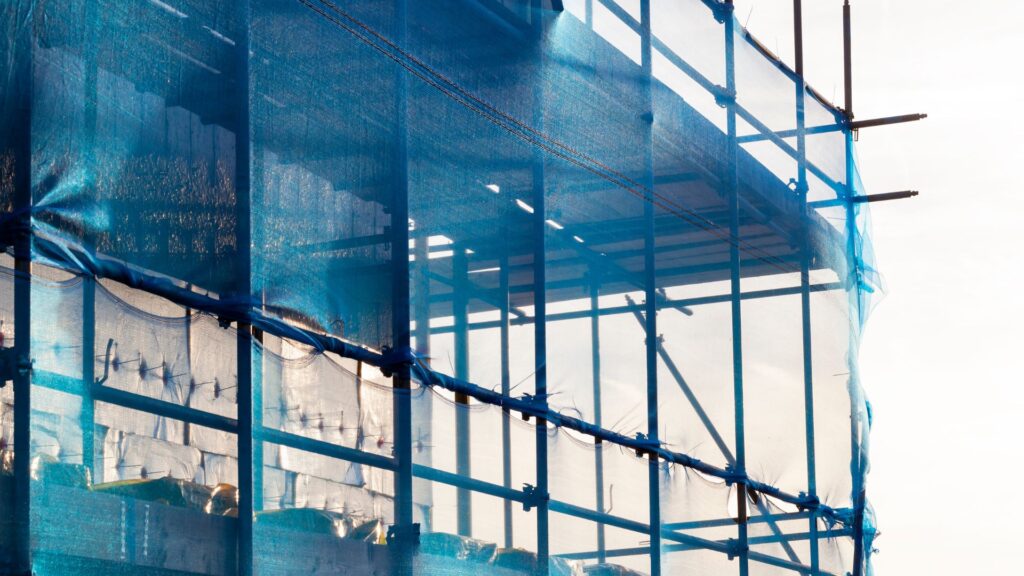
They get the best value when they treat scaffold mesh as both a safety control and a communication tool. That means planning coverage early, coordinating signage locations, and assigning responsibility for inspections and repairs.
When scaffold mesh is specified properly and maintained, it reduces incidents, improves perceptions, and helps teams run a clearer, calmer site day to day.