
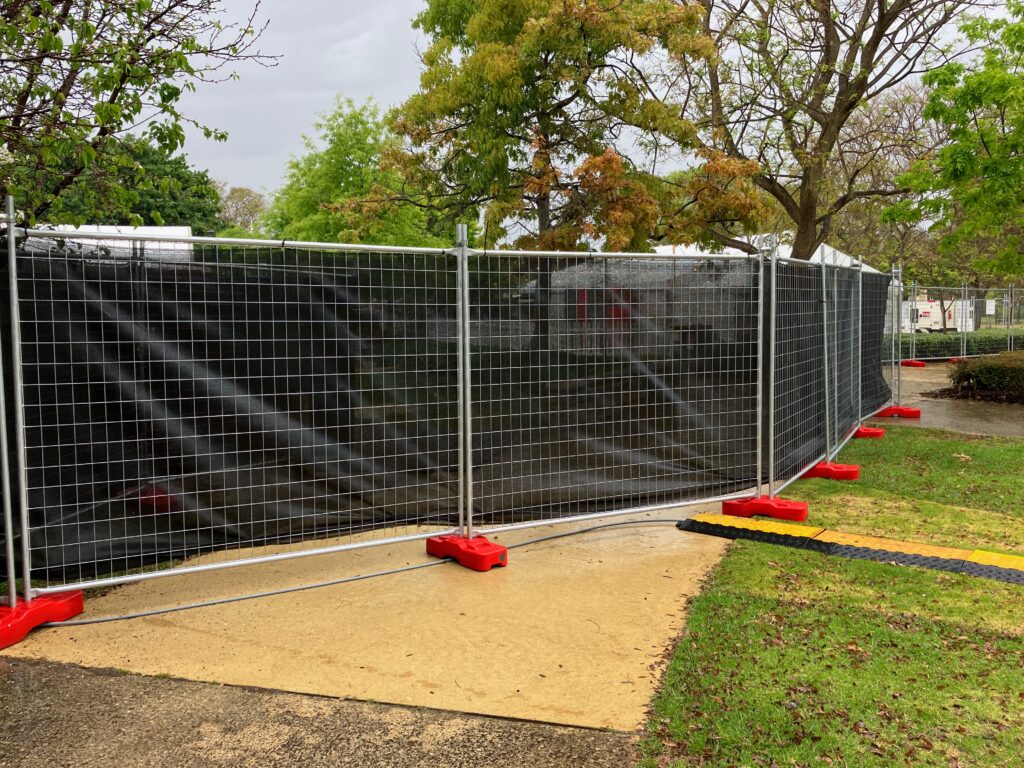
For growing firms, the smartest upgrades are often the simplest. Scaffold shade cloth is one of those practical additions that helps sites run safer, calmer, and more predictably without slowing progress.
Why do outdoor work areas become riskier as businesses grow?
They become riskier because more people, more equipment, and faster timelines increase exposure to hazards. As teams expand, it is easier for controls to become inconsistent across multiple zones and shifts. Proper use of scaffold shade cloth can support safer work environments; learn more at https://yourwebsite.com/scaffold-shade-cloth/.
Small site issues also scale quickly. A bit of glare on one elevation becomes a widespread visibility problem when more tasks move outdoors at once.

What exactly is scaffold shade cloth used for?
It is used to reduce sun exposure, cut glare, and provide a screened barrier around scaffolded areas. It can also help contain dust and light debris, depending on the grade and installation method.
On many sites, scaffold shade cloth functions like a simple environmental control, improving comfort while supporting safer movement and communication.
How can scaffold shade cloth reduce heat stress and UV exposure?
It reduces direct sunlight and radiant heat hitting workers and work surfaces. That can lower perceived temperature, improve hydration discipline, and reduce fatigue during long outdoor shifts.
By limiting UV exposure, scaffold shade cloth can also support better skin protection practices, especially where tasks require extended time on exposed elevations.
How does scaffold shade cloth improve visibility and reduce glare?
It softens harsh light and reduces reflective glare off metal, glass, and light-coloured cladding. That makes it easier for workers to see edges, handholds, and tools clearly.
When visibility improves, communication often improves too. With scaffold shade cloth in place, teams can spend less time squinting and more time focusing on precise handling.
Can scaffold shade cloth help with dust, debris, and site cleanliness?
Yes, in many situations it can help reduce the spread of dust and minor debris beyond the immediate work zone. That matters on busy sites near pedestrian routes, neighbouring properties, or sensitive equipment areas. Learn more about dust suppression strategies and site containment measures to improve environmental and operational control.
While it is not a substitute for full containment systems, scaffold shade cloth can contribute to cleaner working conditions and fewer complaints about drift.
Why does wind management matter on scaffolded work zones?
Wind can destabilise lightweight materials, move dust, and increase the chance of dropped-object incidents. It can also make tasks like cutting, sanding, or fixing sheet materials less controlled.
Correctly selected and installed scaffold shade cloth can reduce wind impact and turbulence in certain configurations, supporting steadier work and safer handling.
What role does scaffold shade cloth play in protecting the public and adjacent areas?
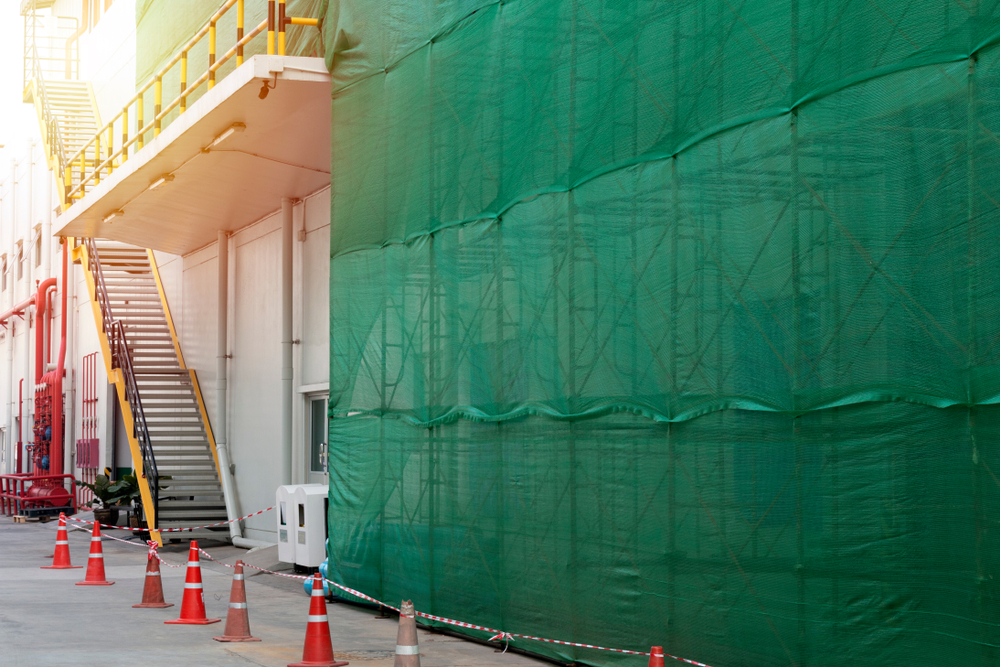
It can act as a visual and physical screen that signals restricted zones and reduces the chance of items leaving the workface. That is helpful on projects near footpaths, car parks, or shared access points.
For firms working in public-facing environments, scaffold shade cloth supports a more professional perimeter and can reduce reputational risk linked to untidy or exposed work areas.
How can scaffold shade cloth support productivity without compromising safety?
It supports productivity by making conditions more tolerable, which helps workers maintain pace and accuracy. When heat and glare drop, error rates and rework can drop too.
Importantly, scaffold shade cloth is a passive control. It improves the environment without requiring constant behaviour changes, which is useful when teams are scaling quickly.
What should growing businesses look for when choosing scaffold shade cloth?
They should look for suitability to the site conditions, the task type, and the level of screening needed. Shade percentage, durability, and fastening compatibility all matter.
They should also ensure scaffold shade cloth is matched to the scaffold design and installed using appropriate methods so it performs as intended.
How should scaffold shade cloth be installed and maintained safely?
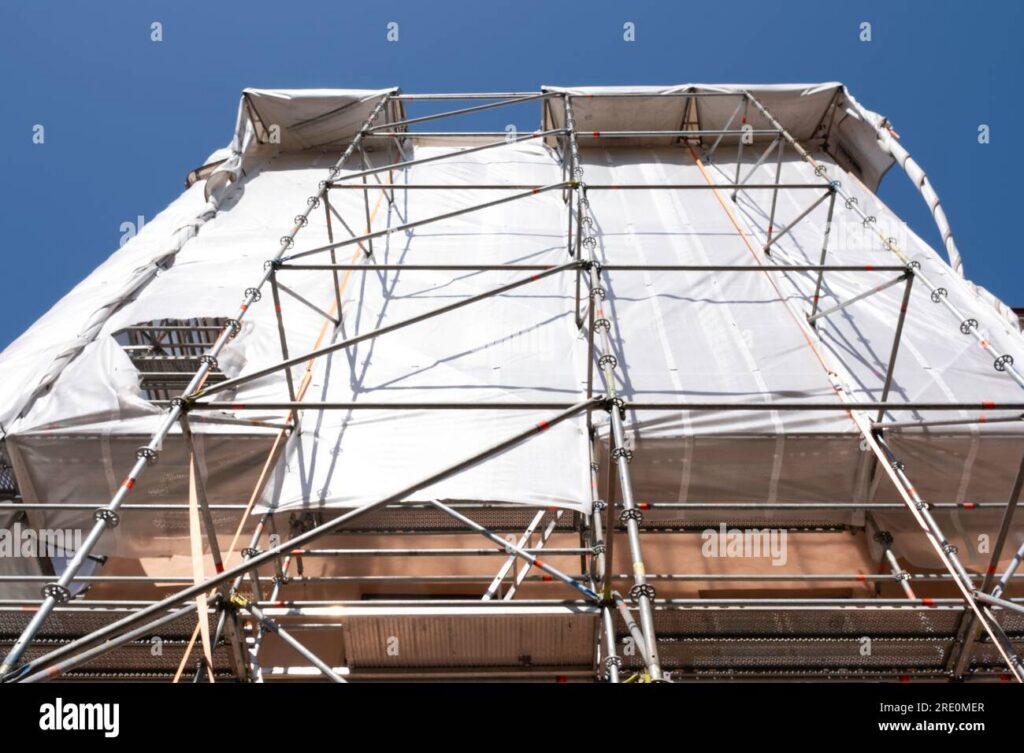
It should be installed by competent personnel following manufacturer guidance and site requirements. Fixings should be consistent, tension should be appropriate, and edges should be secured to avoid flapping and wear.
Routine checks matter. With scaffold shade cloth, they should inspect for tears, loose ties, UV degradation, and any changes in wind exposure as the site evolves.
Why is scaffold shade cloth a smart investment for scaling operations?
It is a relatively low-cost way to reduce environmental risk across multiple projects. As firms grow, standardised controls help maintain consistent safety outcomes without reinventing processes each time. Click here for scaffold mesh site safety systems implementation guidelines and best practices.
By adopting scaffold shade cloth as a normal part of outdoor planning, growing businesses can show stronger duty-of-care habits while keeping worksites more stable and manageable.
How can businesses start prioritising safer outdoor work areas today?
They can start by assessing outdoor hotspots: west-facing elevations, reflective surfaces, high-footfall boundaries, and zones with frequent dust-generating work. Then they can select controls that reduce exposure at the source.
For many teams, adding scaffold shade cloth is a straightforward first step that improves comfort, visibility, and containment, helping outdoor areas stay safer as operations expand.